54V AI Power Shelves
Reducing Heat at the Magnetic Layer of AI Power
AI racks are turning power delivery into the main event. We’re no longer talking about "efficient enough" server PSUs—we’re talking about rack-scale power shelves feeding 54V busbars, where the real-world limits are copper, heat, EMI, and stability under brutal transient loads.
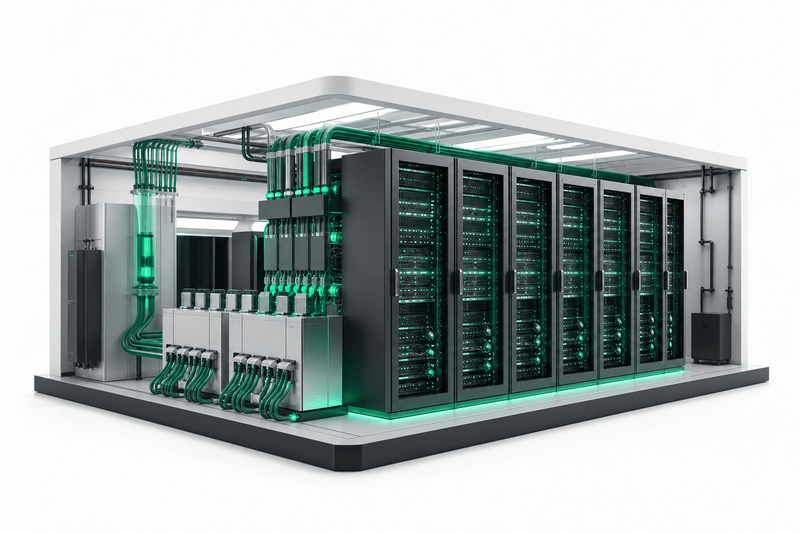
Why AI power is hitting a wall
The industry is mid-shift toward 48V-to-54V rack power standards. But every watt lost in power conversion becomes heat that costs you twice.
Conversion waste
Lost energy that translates directly to facility overhead.
Cooling tax
Heat demands airflow, ducting, and forced capex upgrades.
Transient instability
Aggressive switching extremes under AI-class load steps.
EMI burden
Requires "heroics" in filtering and mitigation.
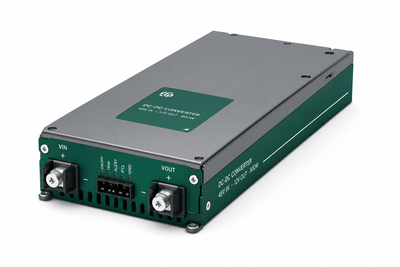
DFS integrates into the isolated DC-DC stage as a controllable magnetic transfer element. It gives the converter an additional "knob" to regulate power transfer without forcing the semiconductor stage into aggressive switching extremes.
Lower heat at the source
Reduced thermal rise in the power stage, rectification, and magnetics.
Better transient behavior
Less droop, faster recovery, and reduced overshoot under AI-class load steps.
More robustness headroom
Better tolerance of hot-swap events and bus disturbances.
Inefficiency is insanely expensive
Data centers obsess over PUE because it quantifies the overhead you pay beyond IT load. Reducing IT power losses doesn't just save watts at the PSU—it reduces the facility work required to remove that heat.
Lower facility energy
IT savings plus ~30% reduction in cooling energy.
More usable rack density
Thermal headroom becomes actual compute capacity.
Higher uptime
Fewer thermal/EMI corner-case failures.
Slower capex curve
Delay massive cooling and power infrastructure upgrades.
OEM-friendly evaluation
We validate with data, not vibes. We propose an NDA-backed 6-8 week A/B evaluation against a reference module.
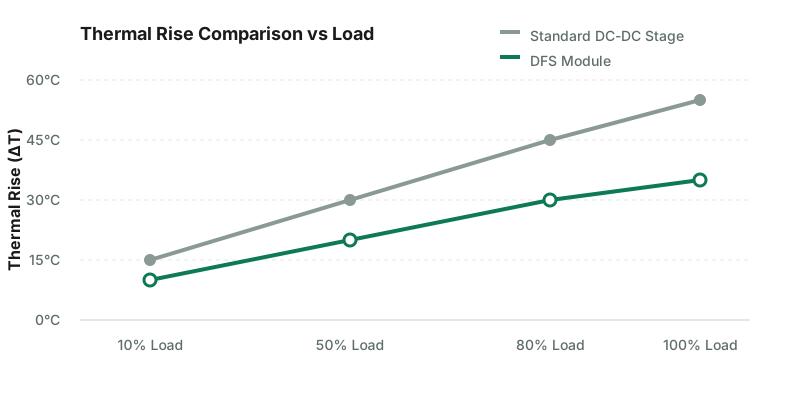
No hype. Just maps, thermals, and transients.