Switch Reluctance Motors (SRMs)
The rugged, rare-earth-free motor the world wants — once we fix the noise, ripple, and control pain
SRMs are simple, rugged, high-temperature tolerant, and free from rare-earth supply chain dependence. But adoption has been limited by torque ripple, acoustic noise, vibration, current ripple, and control complexity. FluxWorx believes its International Patent Pending DFS architecture may be relevant to these issues and is seeking partner interest for technical assessment.
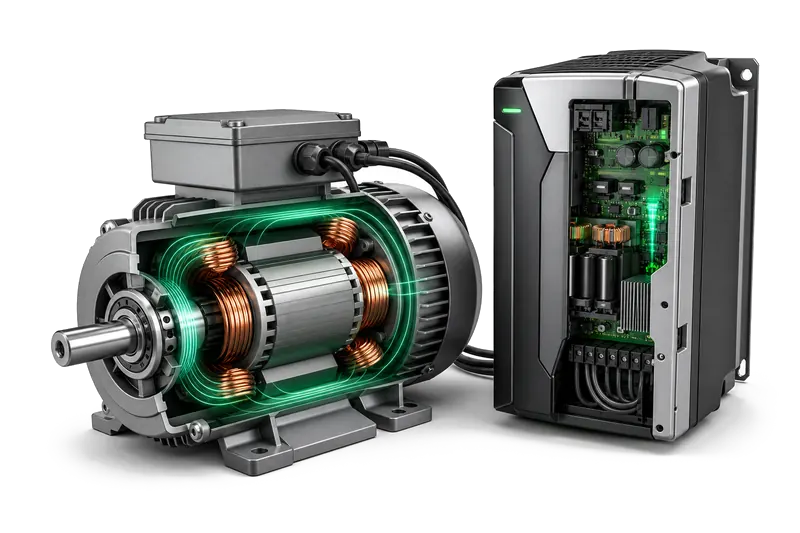
Why SRMs haven't dominated (yet)
Fundamentally attractive. Practically challenging. These pain points have kept SRMs from taking center stage.
Torque ripple
Vibration and reduced perceived quality.
Acoustic noise
The "angry vacuum cleaner" problem.
Current ripple & EMI
Tougher filtering and compliance work.
Control sensitivity
Position sensing and tuning complexity.
DFS proposes an actively controlled magnetic degree of freedom between the drive electronics and the motor's magnetic system. Instead of relying only on hard switching and current shaping, the International Patent Pending technology may support magnetic condition shaping, subject to partner design and validation.
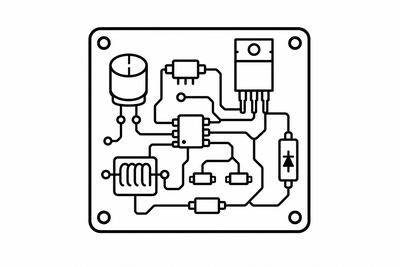

Magnetic condition shaping
Proposes steering magnetic flux to influence inductance and alignment, subject to validation.
Smoother torque delivery
Ripple and vibration reduction would need to be proven in a partner implementation.
Easier control behavior
Control benefits remain application-specific and require testing.
Lower torque ripple
Smoother motion. Better feel.
Reduced acoustic noise
Quieter machines. Happier end customers.
Less current violence
Lower EMI, less stress on windings and switches.
Better high-speed behavior
Stronger efficiency and broader operating range.
More tolerant control
Easier tuning. More robust in the real world.
SRM economics are unbeatable
The physics and bill of materials are attractive. If partner testing shows DFS can reduce the SRM penalty stack, the International Patent Pending technology may support future licensing opportunities in motion and traction.
No rare-earth magnets
Supply resilience + cost stability.
Simple rotor
Robust, high-temperature, high-speed capable.
Manufacturing friendliness
Steel + copper supply chains you can scale.
Ruggedness
Harsh environments, overload tolerance, long service life.
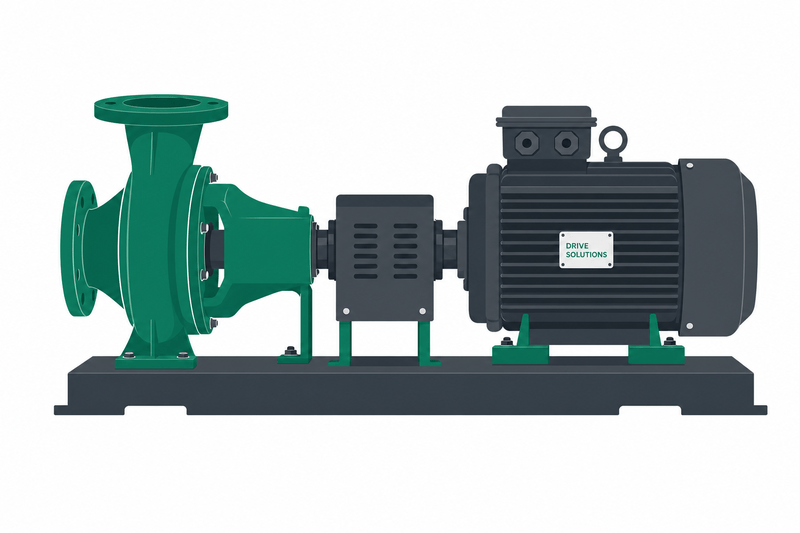
Industrial drives
Pumps, fans, compressors, conveyors.
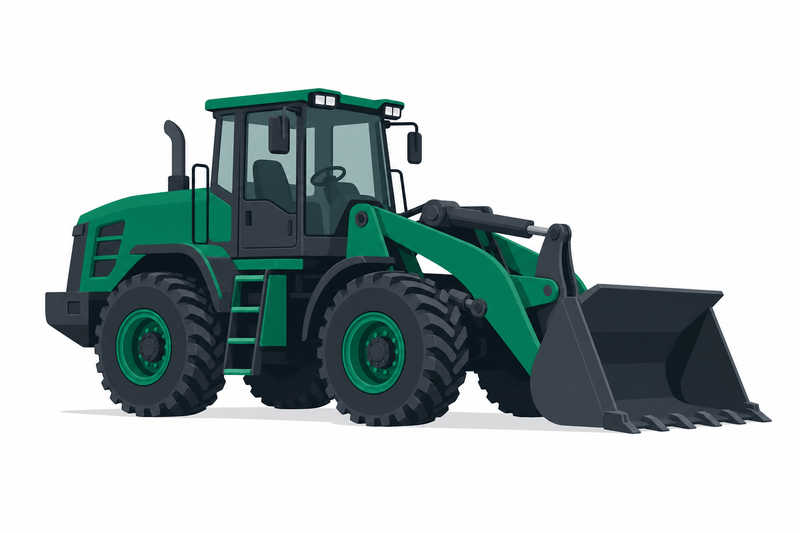
Off-road / work vehicles
Traction, hydraulics, PTO systems.
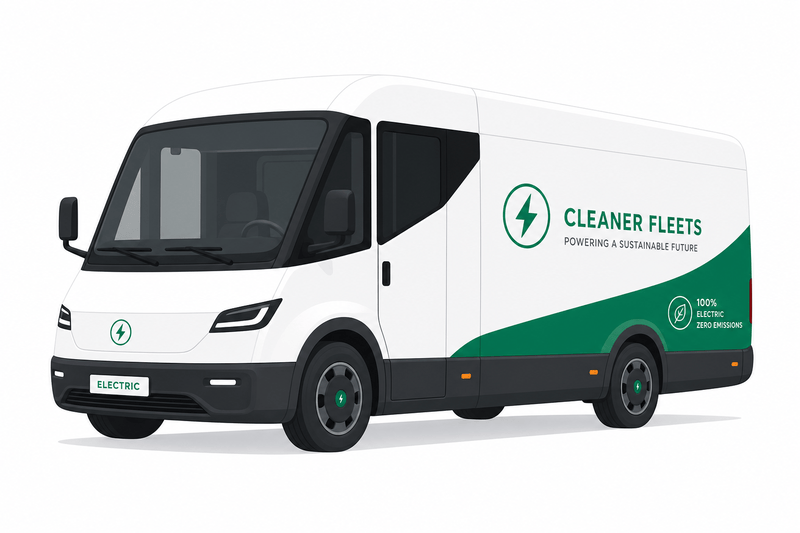
Fleet EVs
Buses, vans, trucks, last-mile.
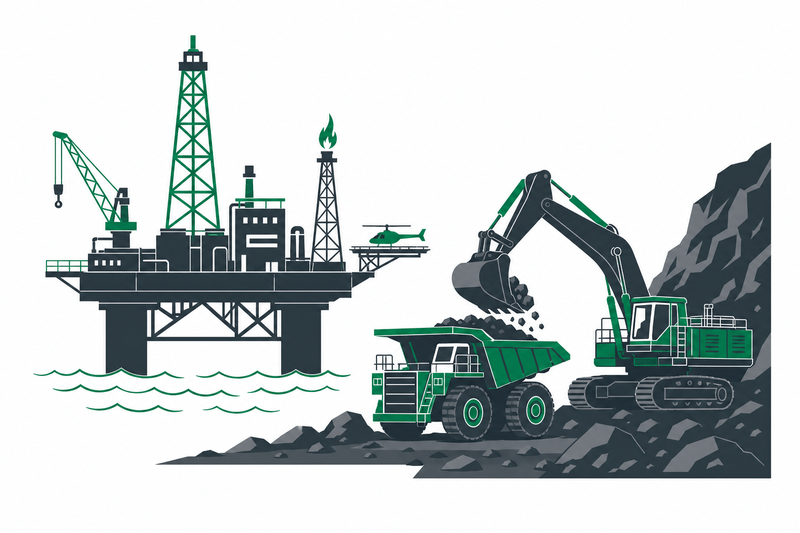
Harsh environment motion
High temp, dust, vibration, altitude.
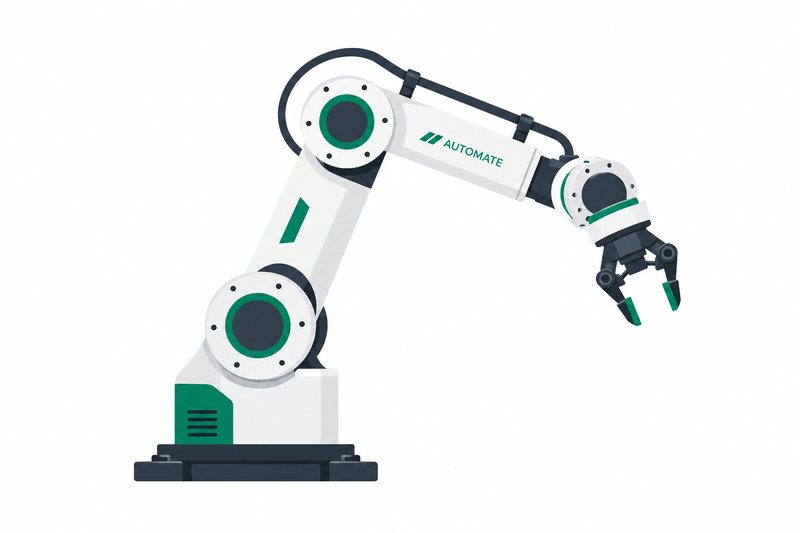
Robotics / actuators
Joint drives, linear actuators, AGV.
An OEM-friendly evaluation
We validate with data, not vibes. We propose an NDA-backed 6-8 week A/B evaluation against a reference SRM drive.
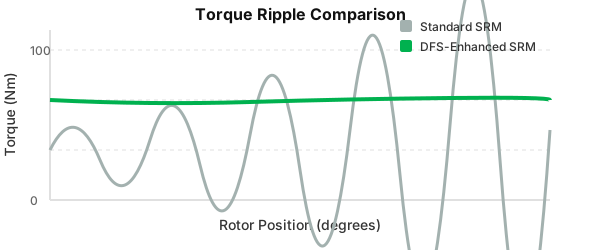
Lower is better
No hype. Just plots, thermals, and torque traces.