Magnetic Power Transistor for AI Data Centers
International Patent Pending Magnetic Power Transistor IP for AI and data-center power interest
FluxWorx is not currently offering an operating power product. We are seeking expressions of interest from data-center operators, power-supply OEMs, investors, and technical partners interested in licensing or evaluating International Patent Pending Magnetic Power Transistor technology for future AI power delivery.

Power can be imported. Local water cannot be invented on-site.
For AI data centers, heat is no longer just an engineering penalty. It is a planning, water, and approval constraint. FluxWorx is seeking partners to evaluate whether Differential Flux Steering can cut conversion heat at the source, reducing the thermal burden before it becomes a facility-scale cooling problem.
Fewer conversion stages
DFS may allow partners to explore replacing loss-heavy hard-switching chains with magnetic steering, targeting a move from 8-10 stages toward 4-5.
Compound thermal reduction
Removing conversion stages can remove cascading heat stress, helping partners assess longer component life and lower thermal load.
Air-only cooling pathway
Lower PSU waste heat could help moderate-climate sites evaluate whether expensive water-cooling infrastructure can be reduced or avoided.
AI density headroom
Cutting thermal debt near the silicon may support denser AI clusters in existing rack envelopes, subject to partner system validation.
IP-backed validation
The architecture is protected by a lodged international PCT patent application and supported by FEA/FEMM modelling and bench testing.
Why AI power is hitting a wall
The industry is mid-shift toward 48V-to-54V rack power standards. But every watt lost in power conversion becomes heat that costs you twice.
Conversion waste
Lost energy that translates directly to facility overhead.
Cooling tax
Heat demands airflow, ducting, and forced capex upgrades.
Transient instability
Aggressive switching extremes under AI-class load steps.
EMI burden
Requires "heroics" in filtering and mitigation.
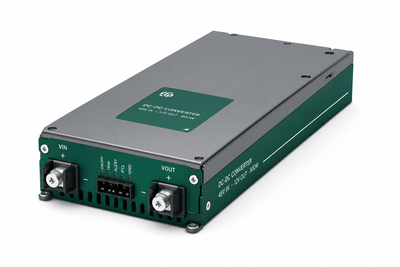
The International Patent Pending technology describes Differential Flux Steering as a controllable magnetic transfer concept that may be evaluated within an isolated DC-DC stage. The aim is to give a converter an additional magnetic control mechanism, subject to partner engineering, validation, and integration.
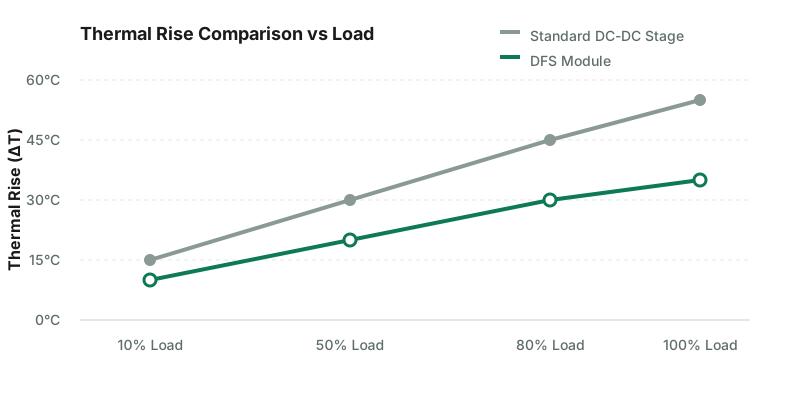
Potential heat reduction
Thermal benefits are a target for evaluation, not a claimed operating product result.
Potential transient benefits
Load-step behaviour would need to be measured in a partner-specific implementation.
Potential robustness headroom
System-level resilience depends on final design, controls, and qualification testing.
Magnetic Power Transistors in DC-DC converters
AI data centers rely on high-current DC-DC conversion close to racks, shelves, and accelerator loads. FluxWorx is inviting partners to evaluate whether International Patent Pending Magnetic Power Transistor technology can add value inside future converter designs.
Efficiency and loss control
Flux steering may provide another way to manage magnetic energy before losses become heat. Any efficiency benefit would need to be proven against a partner reference converter.
Thermal headroom
Reducing losses in a DC-DC stage can lower thermal stress, support denser layouts, and reduce cooling demand if validated in the final system.
Dynamic load response
AI accelerators create fast-changing current demands. Magnetic Power Transistor control concepts may warrant evaluation for transient response and stability.
Integration flexibility
The technology is being positioned for licensing and partner-led engineering, not as a finished converter module.
Power-density pathway
Converter OEMs can assess whether magnetic control creates practical gains in footprint, component stress, or packaging.
Evidence-led licensing
The next step is technical due diligence: modelling, International Patent Pending review, converter comparison, and partner-specific test planning.
Why this International Patent Pending technology may matter
AI data centers are constrained by heat, power density, and infrastructure cost. FluxWorx is seeking partners to assess whether its International Patent Pending magnetic control architecture can create measurable value in this environment.
Energy savings hypothesis
Any savings would need to be proven against a partner reference design.
Rack-density potential
Thermal headroom is a target application area for partner evaluation.
Reliability potential
Reliability impact would depend on design integration and qualification.
Infrastructure potential
Commercial impact would be assessed through site and system-level modelling.
Expression of interest pathway
Qualified partners can request technical discussions, International Patent Pending review, modelling material, and a proposed framework for assessing application fit under NDA.
The goal is evidence-led licensing and technical diligence.